New research, read past the press release
Public health, climate, space, and medicine, covered by going back to the actual study whenever we can, not just the summary of it.

A single study is a data point, not a verdict. Our science desk looks for what else has been published on a topic before covering a new result.
Research, translated without losing the substance
A lot of science coverage either oversells a single study or buries the interesting part in jargon. Our science desk tries to do neither: we read the actual paper when it's available, note its limits alongside its findings, and explain why a result matters, or why it might not, in plain language.
We cover public health guidance, climate and environmental research, space and physics news, and new studies across medicine and the life sciences, with a preference for peer-reviewed work and named researchers over anonymous claims.
Four beats, one desk
Public Health
Guidance from public health agencies, seasonal illness trends, and what a new recommendation actually changes for you.
Climate & Environment
Peer-reviewed climate research, extreme weather trends, and the policy debates that follow them.
Space & Physics
Missions, discoveries, and the occasional retraction, covered with the same sourcing standard as everything else we publish.
New Research & Studies
Newly published papers across medicine and the life sciences, with the sample size and methodology noted up front.
How we cover a new study
Read the actual paper
Whenever it's publicly available, we read the published study rather than relying only on a university or journal press release.
Check the sample and method
Sample size, study design, and whether the work has been peer-reviewed all shape how much weight a finding deserves.
Ask what it doesn't show
Most studies answer a narrow question. We try to be explicit about what a result does not prove, not just what it does.
Talk to an outside source
When possible, we ask a researcher who wasn't involved in the study for their read on the findings before we publish.
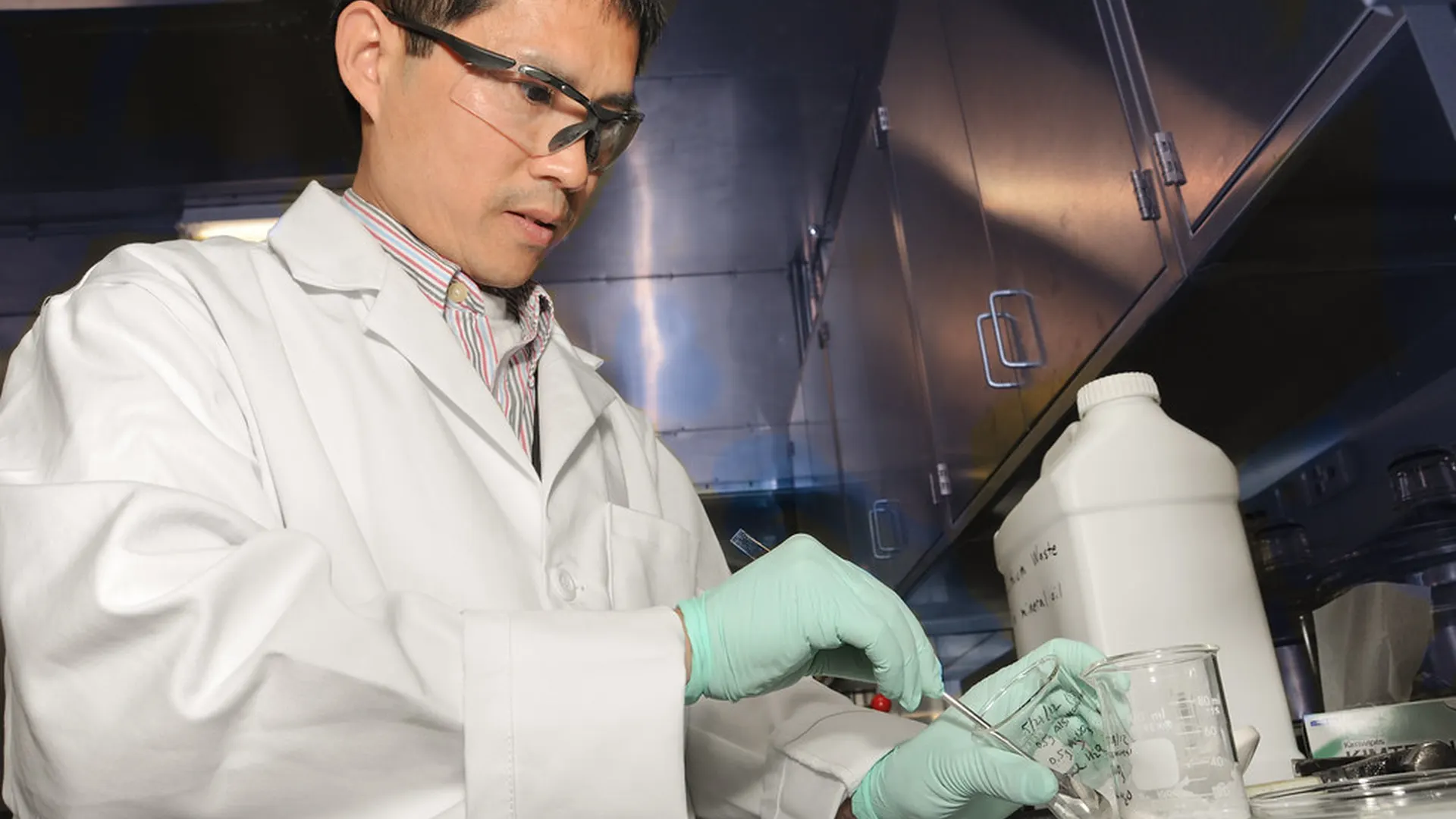
Correlation is not causation: two trends moving together doesn't mean one is causing the other, a distinction we flag in every data-heavy science story.

A study that gets retracted doesn't disappear from the internet, which is why we track corrections and follow-up coverage, not just the original report.
What happens if a study is later retracted
Science self-corrects, which is part of how it's supposed to work, but a retraction rarely gets the same attention as the original finding. When a study we've covered is later corrected or retracted, we update the original article with a visible note and, when it's significant enough, publish a short follow-up explaining what changed.
Science Coverage FAQ
Do you cover medical advice?
We report on public health guidance and new research, but our articles aren't a substitute for advice from your own doctor about your specific situation.
How do you decide which studies are newsworthy?
We look for peer-reviewed work with a reasonable sample size and a result that adds something to what's already known, rather than a single surprising headline number.
What if a study is later retracted?
We add a visible correction note to the original article and, for significant retractions, publish a short follow-up piece explaining what changed and why.
Want the bigger picture?
Read how our politics and economy desks apply the same sourcing standards to their own beats.